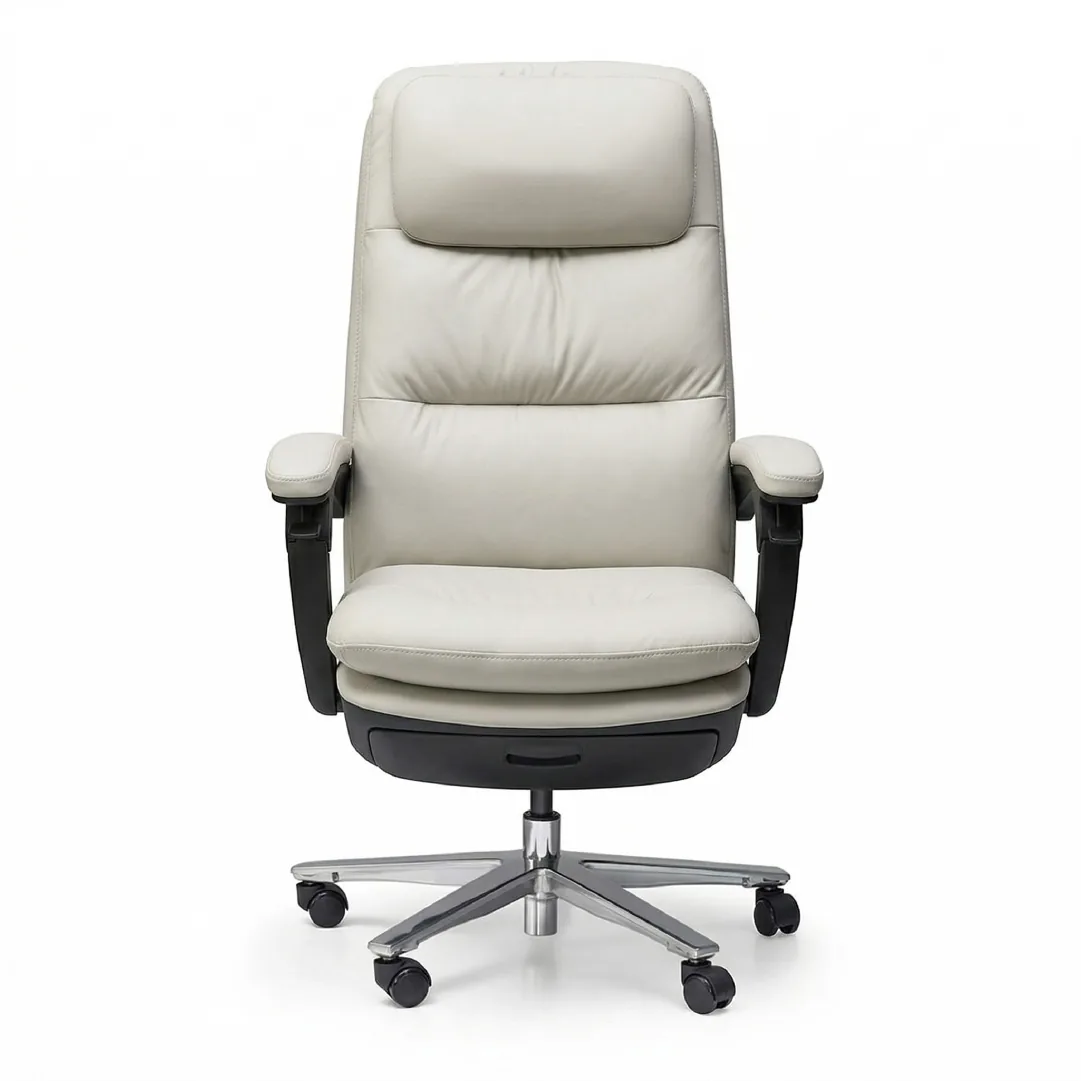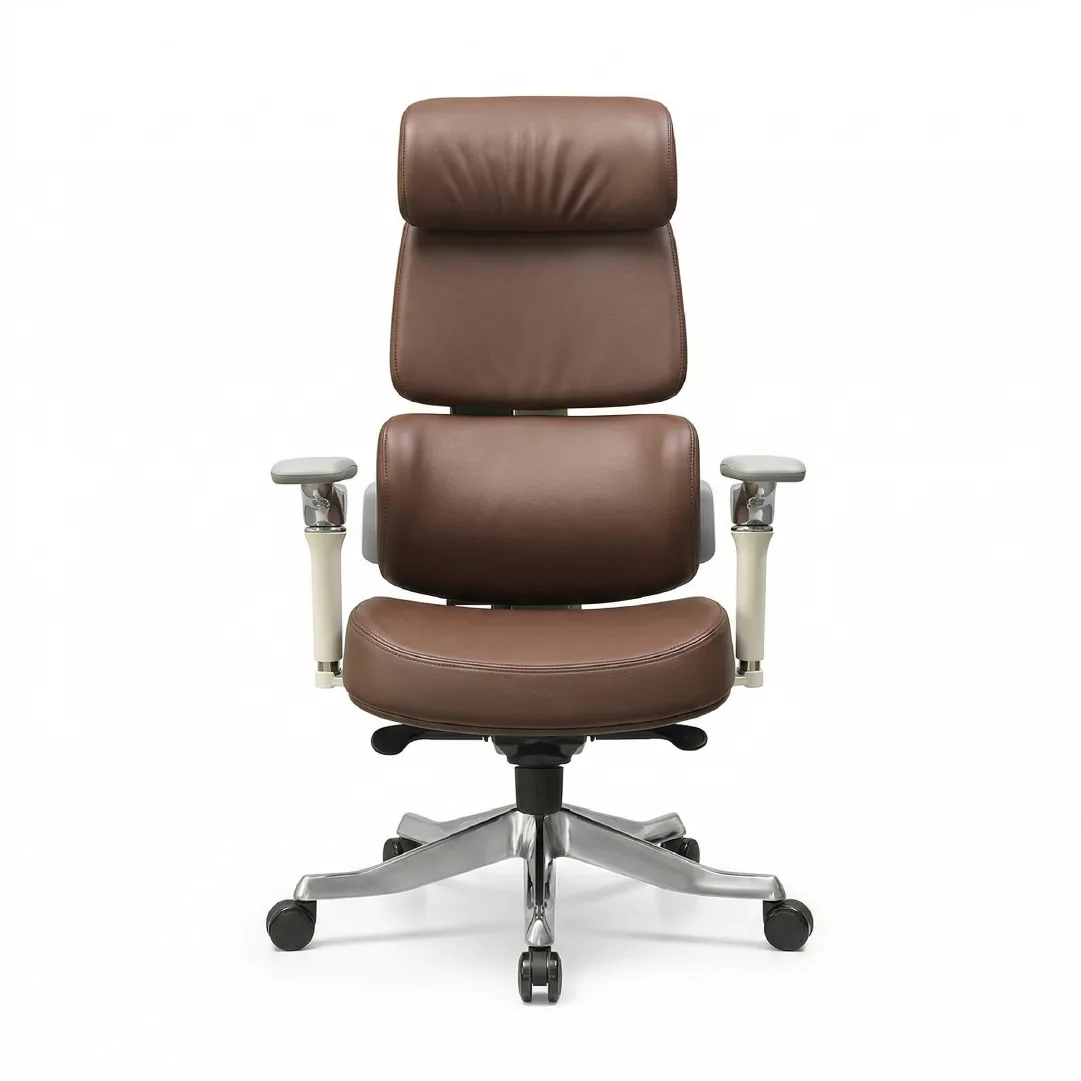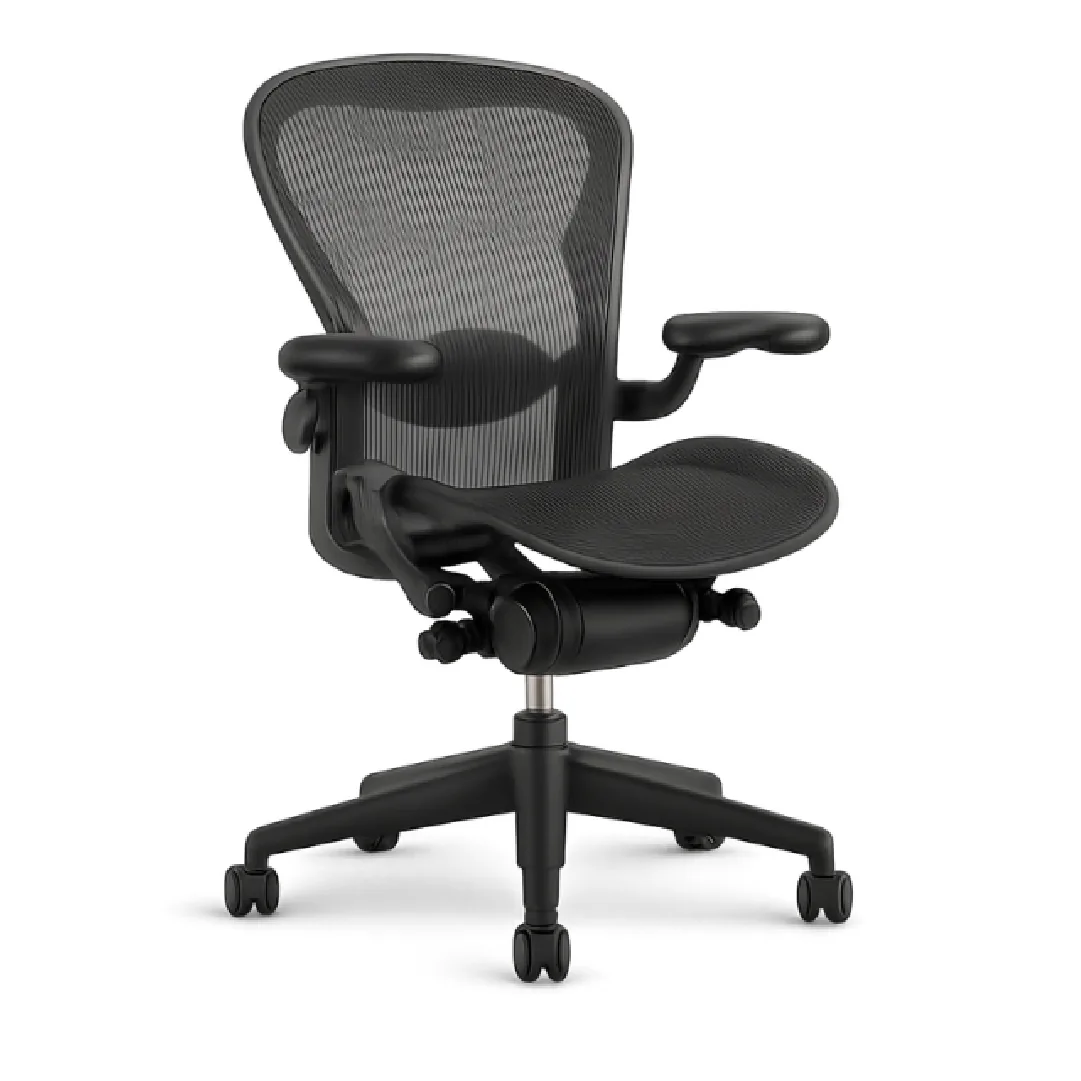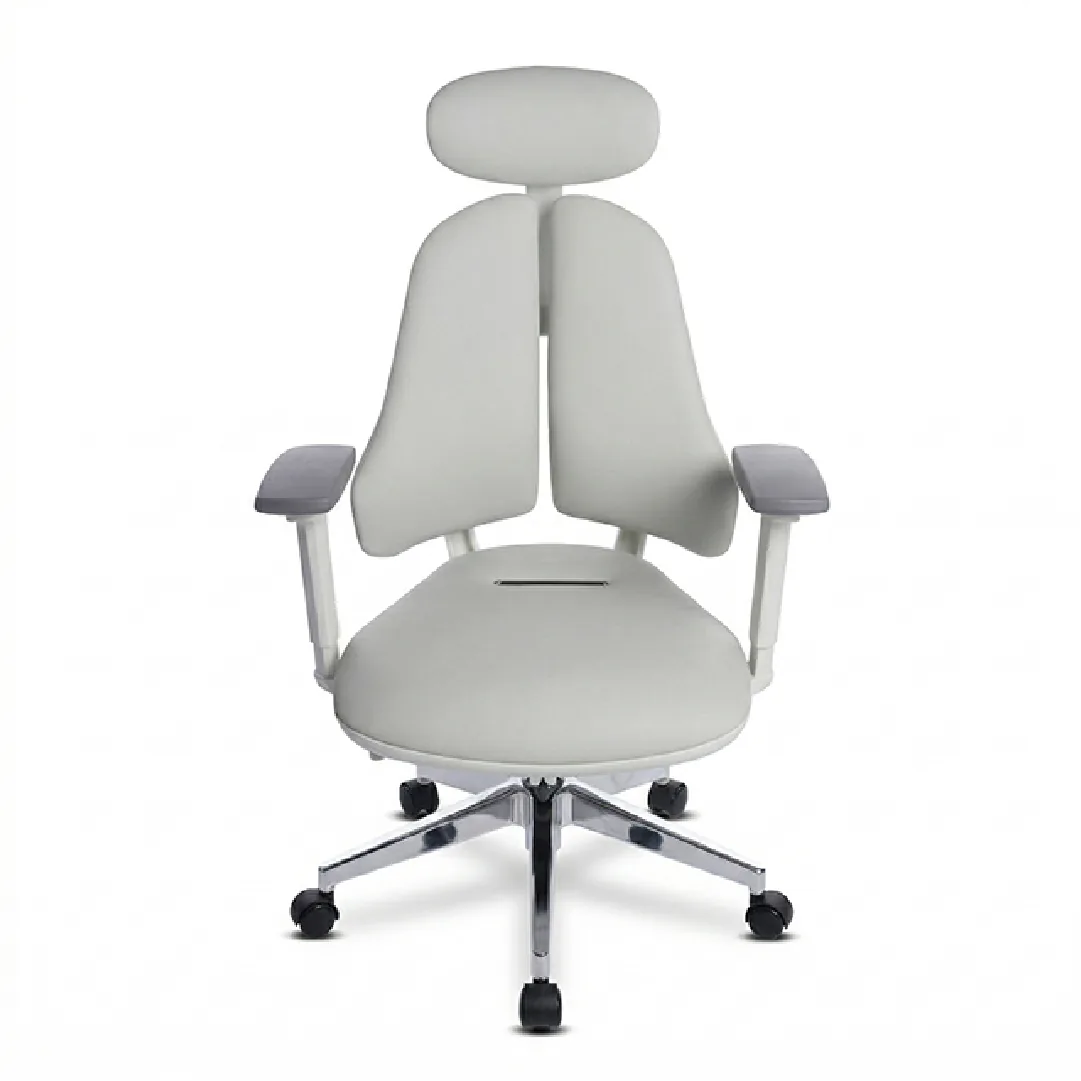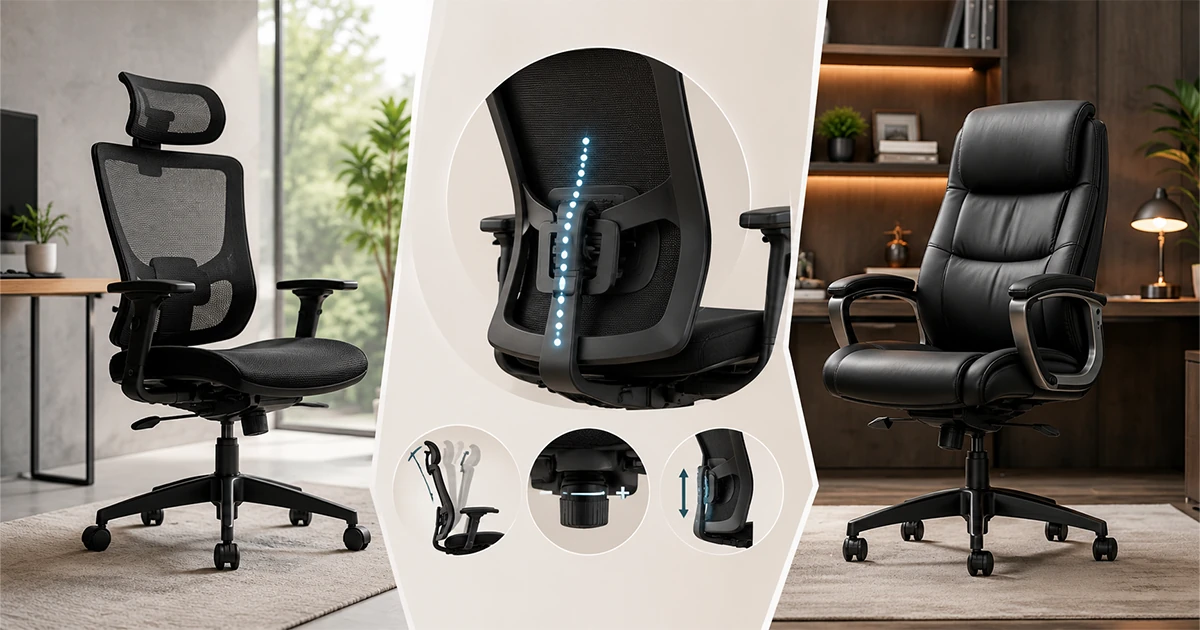
Quick answer: Choosing the right office chair starts with how it will be used — task, executive, or shared-desk — then narrows down by adjustability (seat height, depth, lumbar, armrests) and a material suited to Riyadh’s climate. For a single desk, focus on fit for the person. For a bulk order, focus on a consistent spec that works across a range of body types.
Key takeaways
- Match the chair type to the job first: task chairs for focused desk work, executive chairs for leadership and longer meetings, multi-shift chairs for shared or around-the-clock desks.
- A few key adjustment points separate a real ergonomic chair from one that only looks the part.
- Mesh suits Riyadh’s climate better than leather for daily-use seating.
- For project quantities, get a sample chair approved before locking in a bulk order.
Step 1 — Decide What Job the Chair Needs to Do
Not every desk needs the same chair. A task chair for someone at a keyboard eight hours a day has different priorities than a chair for a boardroom used for two-hour meetings.
Chair type | Best for | Prioritise |
|---|---|---|
Task chair | Daily desk work, long hours | Adjustability and breathable material over looks |
Executive chair | Leadership and client-facing offices | Finish, cushioning, and a formal look |
Multi-shift / shared-desk | Call centres, hot-desking, 24-hour operations | Durability and a wide adjustment range |
Mixing these up is a common procurement mistake — specifying executive chairs for a hot-desking floor drives up cost without solving the real need, which is durability across many users.
Step 2 — Check the Adjustability That Actually Matters
A chair described as "ergonomic" should adjust on these points, independently:
- Seat height — feet flat on the floor, knees roughly level with hips.
- Seat depth — two to three finger-widths of space between the seat edge and the back of the knee.
- Lumbar support — adjustable for height and depth, not a fixed moulded bump.
- Armrest height and width — forearms resting level with the desk, shoulders relaxed.
- Recline tension — resistance you can tighten or loosen for the user’s weight.
Key takeaway: Four to five independent adjustments — seat height, seat depth, lumbar, armrests, and recline tension — separate a real ergonomic chair from a lookalike with a single lever.
Step 3 — Match the Material to Riyadh’s Climate
Office temperatures in Riyadh swing between hot exteriors and heavily air-conditioned interiors for most of the year, and that affects which materials hold up. Mesh breathes and resists heat build-up; PU or bonded leather warms up and is more prone to cracking; genuine leather performs better than PU but costs more and still runs warmer than mesh for all-day use.
The short version: mesh is the safer default for daily task seating, and leather or executive upholstery makes more sense for lower-use spaces like private offices or boardrooms. Our mesh vs. leather comparison covers this in full.
Step 4 — Judge Build Quality, Not Just the Brand Name
Rather than trusting a brand name or a label, ask the supplier to show you the chair. Check that the mechanisms move smoothly, the base feels stable, and the gas lift holds height under load. For bulk orders, pay close attention to the moving parts — gas lift, tilt, and casters — since these see the most wear.
Warranty is a useful signal of build confidence, too. Cover typically runs from 1 to 5 years depending on the chair, and cover that includes the moving parts matters more than a long warranty limited to the frame.
Step 5 — Budget by Seat Count, Not Just Unit Price
For a single desk, unit price is the whole decision. For a project order of 50, 200, or 1,000 seats, the decision also includes:
- Sample approval — get one unit approved by the actual end users or a facilities lead before committing to the full order.
- Lead time — bulk furniture orders usually need planning ahead; confirm timing against your fit-out or move-in date early.
- Consistency across body types — a chair that fits the average person but not the range of people using it will generate complaints after installation, not before.
Conclusion
The right office chair isn’t the most expensive one or the best-reviewed one — it’s the one specified correctly for the job, the person, and the climate it will sit in every day. Work through use case, adjustability, material, and build quality in that order, and the rest of the decision gets a lot simpler.
Why Seatspace Specifying seating for a whole office is smoother with a local specialist. Seatspace is a Riyadh-based office-seating specialist — local stock and hands-on support, nationwide delivery through our shipping partner Aramex, secure online checkout via PayTabs, and warranties ranging from 1 to 5 years depending on the chair. |
Specifying seating for an office project? Reach out to Seatspace for a project quote and a proposal matched to your seat count and budget.
About the author SeatSPACE is an office-seating specialist based in Riyadh, Saudi Arabia, supplying and advising on ergonomic chairs for workplaces across the Kingdom. This guide was written and reviewed by the SeatSPACE team. |