Quick answer: Ergonomic office chairs are usually worth the higher upfront cost for a Riyadh office. They reduce the strain that leads to sick days and mid-shift discomfort, and they tend to last longer than budget chairs — so the cost per year of comfortable use often works out lower, not higher, than replacing cheap chairs more often.
Key takeaways
- A chair is "ergonomic" because of how well it adjusts to the person — seat height, lumbar depth, armrest position, recline tension — not because of its price tag.
- Riyadh's climate adds a second thing to check: breathable materials matter as much as adjustability.
- The comparison that matters isn’t "cheap chair vs. ergonomic chair" — it’s the cost per year of comfortable, usable life.
Why "Ergonomic" Isn’t Just a Marketing Word
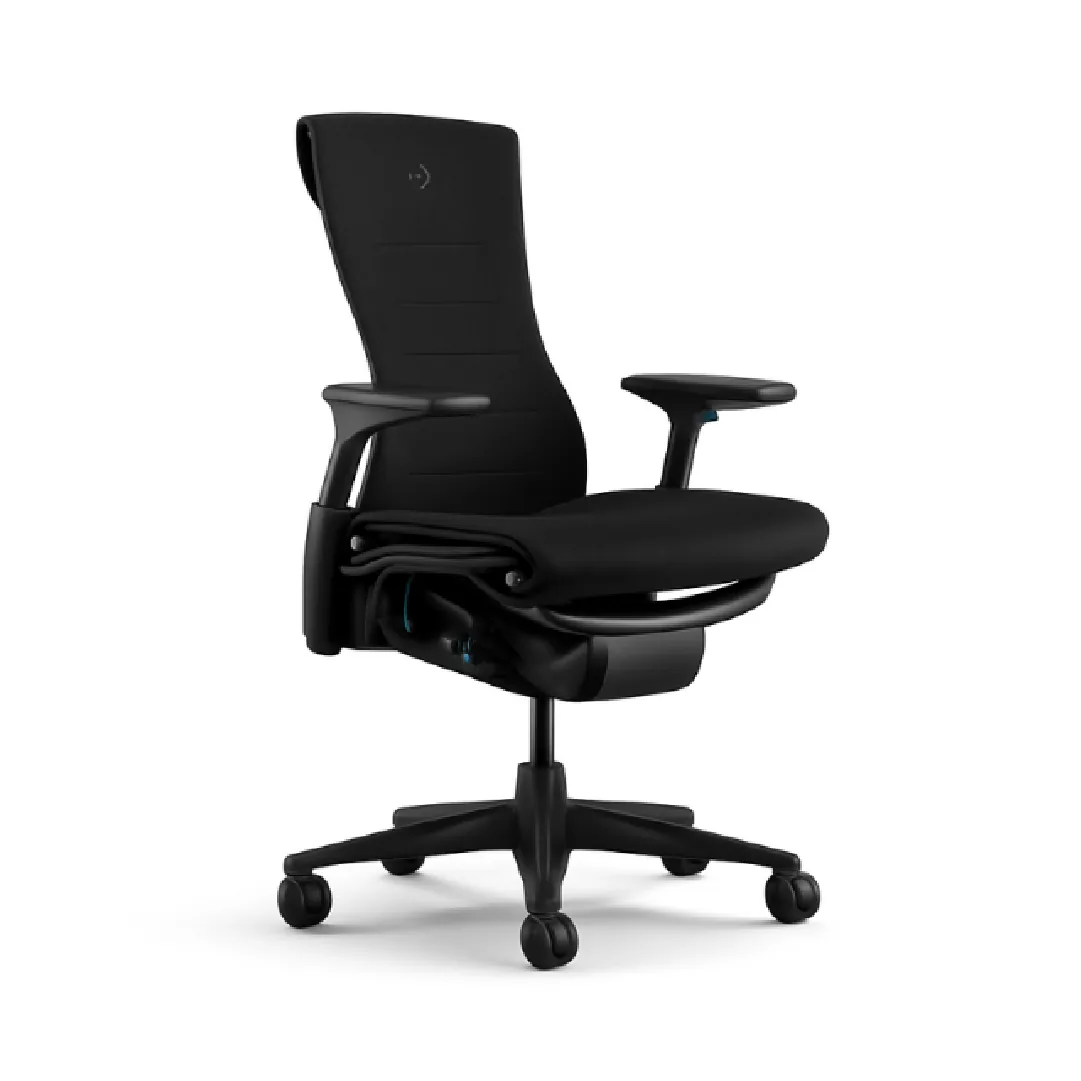
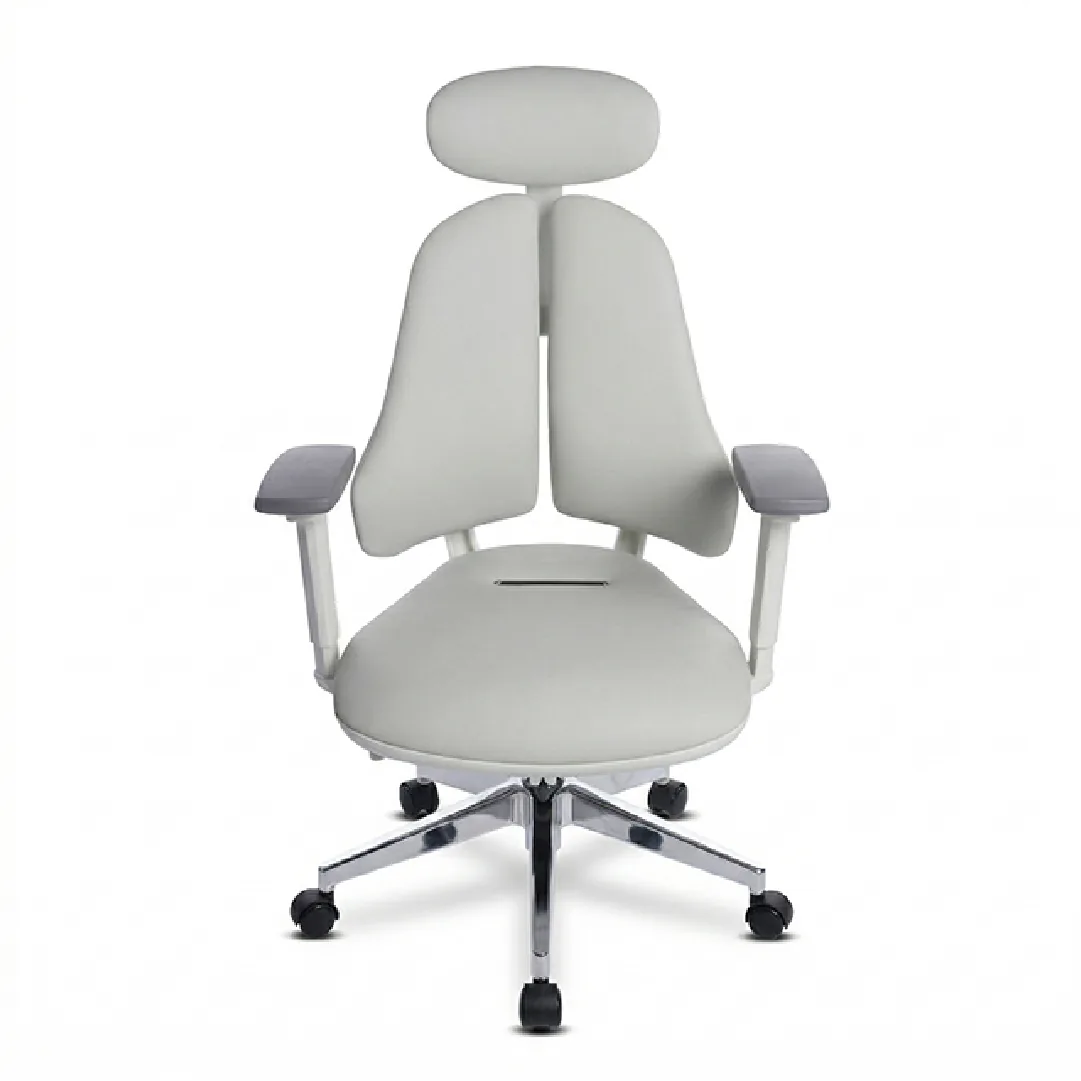
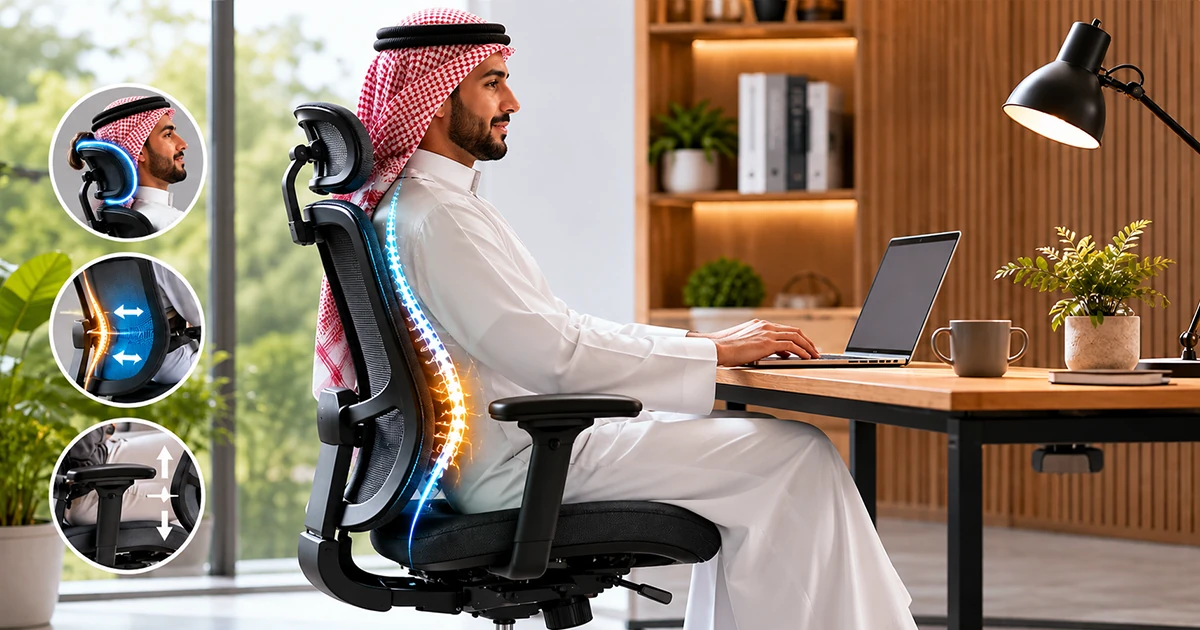
A chair earns the word "ergonomic" when it can be adjusted to fit the person sitting in it — not the other way around. In practice that means independent seat height and depth adjustment, lumbar support that matches the curve of the lower back, armrests that reach desk height, and a recline mechanism you can tension.
Many chairs are sold as "ergonomic" when they only adjust seat height. That is a chair with one moving part, not ergonomic seating. When you compare quotes for an office fit-out, ask the supplier to walk through each adjustment point rather than trusting the label.
Key takeaway: If a chair only adjusts seat height, it’s adjustable — not ergonomic. Real ergonomic seating adjusts at several independent points so it can fit different people.
What Poor Seating Actually Costs an Office
The visible cost of a cheap chair is the purchase price. The hidden cost shows up later: staff shifting around to get comfortable, complaints about back or neck discomfort by mid-afternoon, and chairs that wear out sooner because the gas lift, casters, or foam break down under daily use.
None of this is dramatic on its own. It adds up quietly — a chair replaced more often, a facilities team fielding more seating complaints, an employee who is less comfortable by late afternoon than they were in the morning. Good ergonomic seating won’t remove every ache, but it takes the chair itself off the list of daily problems.
What to Look At When Budgeting for Ergonomic Chairs
For a Riyadh office, a few things matter more than the brand name:
- Adjustability — independent seat height and depth, plus lumbar support you can move for height and depth, not a fixed bump moulded into the backrest.
- A sturdy gas lift and base — important for chairs used across long hours, multiple shifts, or shared desks.
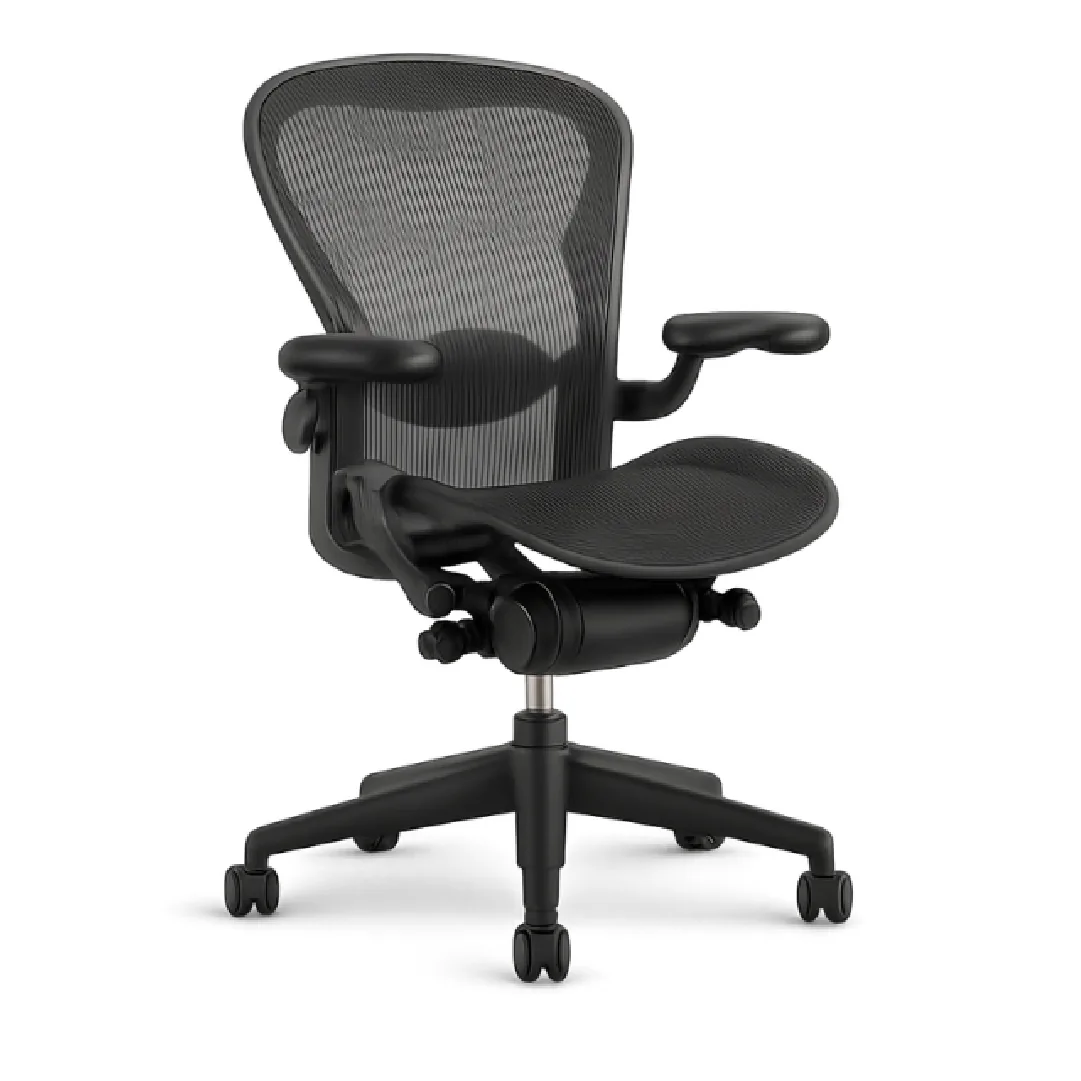
- Breathable materials — mesh or a mesh-and-fabric build stays comfortable through a full day in a hot climate.
- Warranty cover — commonly ranges from 1 to 5 years depending on the chair; cover that includes the moving parts (gas lift, tilt, casters) signals build confidence.
- Build quality you can see — smooth mechanisms, a stable base, and clean finishing are good signs a chair will hold up.
Riyadh’s Climate Changes the Spec, Too
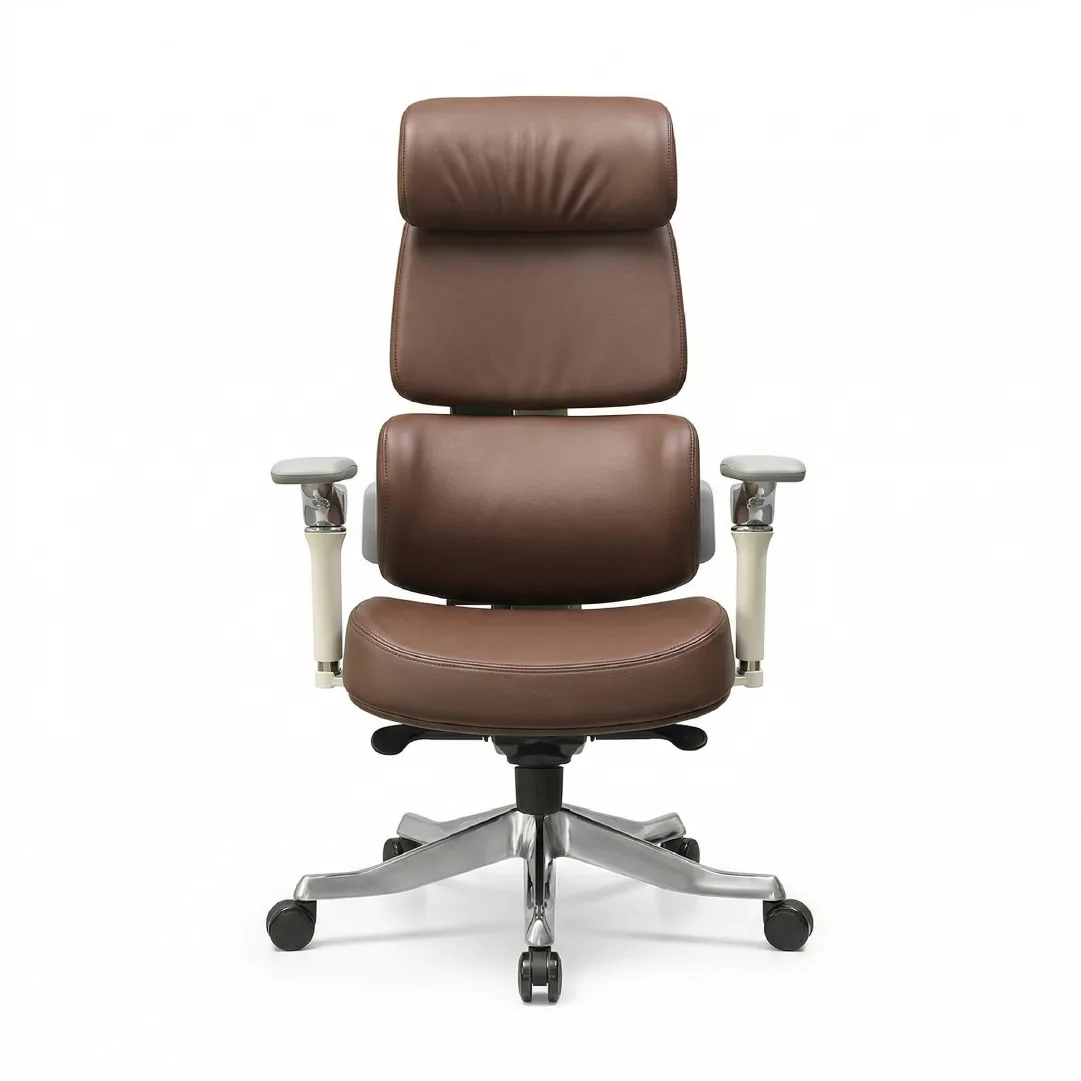
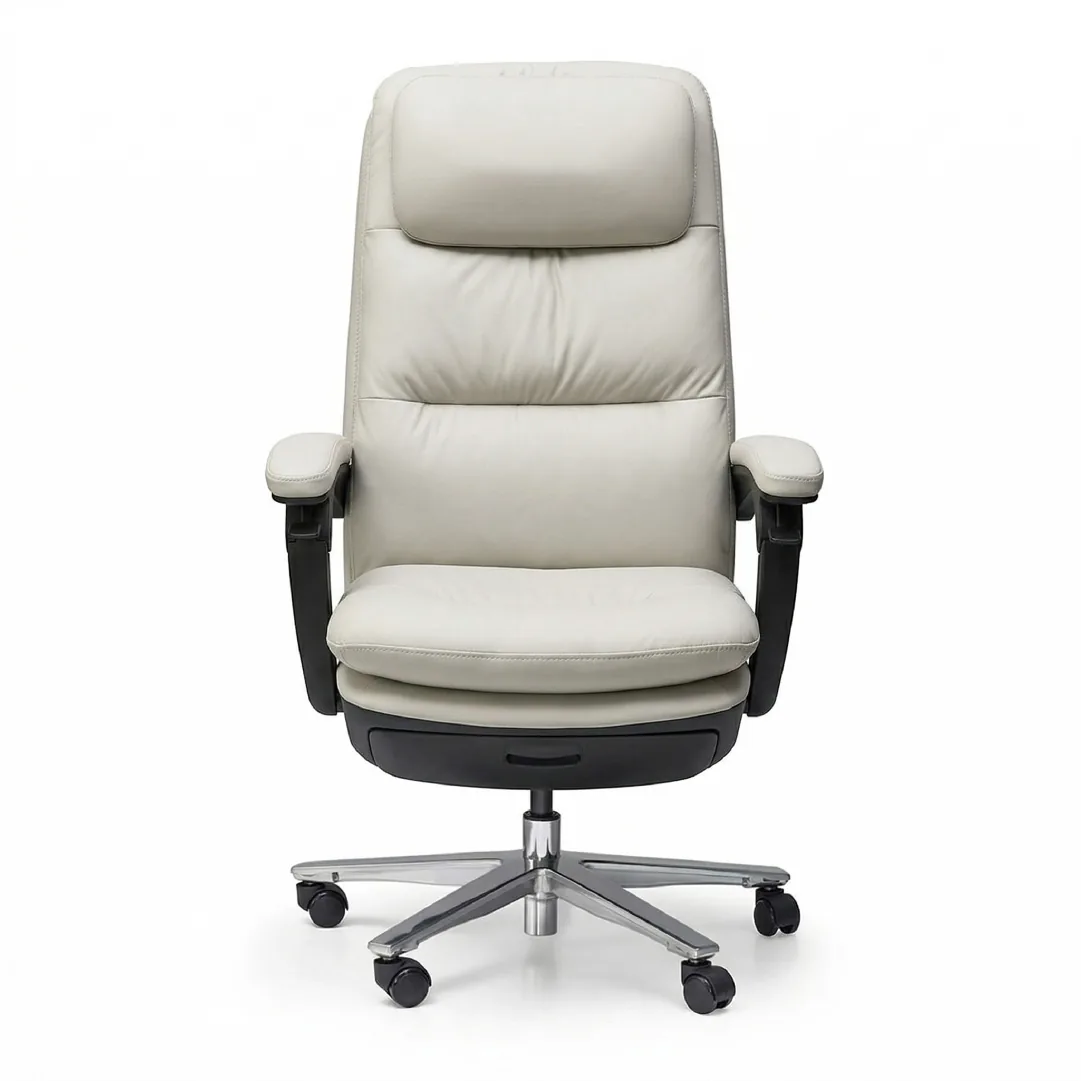
Ergonomic support is only half the brief in Riyadh. Offices run air conditioning hard for most of the year, but chairs still sit under direct desk lighting and near windows, and upholstery that traps heat becomes uncomfortable faster in a warm building. Breathable mesh handles this better than bonded or PU leather, which warms up and can crack or peel as humidity swings between cool interiors and hot exteriors.
For open-plan Riyadh offices with long hours, mesh or a mesh-and-fabric build is the safer default. Our mesh vs. leather comparison covers the full material trade-off.
Budget Chair vs. Ergonomic Chair Over Time
The fairest way to compare the two isn’t the price on day one — it’s how each performs across the years it sits under a desk:
Factor | Budget chair | Ergonomic chair |
|---|---|---|
Upfront cost | Lower | Higher |
Adjustability | Often seat height only | Several independent points |
Comfort across an 8-hour day | Tends to drop off by mid-afternoon | Holds up better through the day |
Wear points (gas lift, foam, casters) | Wear faster under daily use | Built to handle daily load |
Replacement frequency | More often | Less often |
Cost per year of use | Often higher | Often lower |
Think in Projects, Not Single Chairs
For anyone specifying dozens or hundreds of seats, the real comparison isn’t one ergonomic chair against one budget chair — it’s the total cost across the chair’s working life, including how often it needs replacing and the disruption of mid-cycle swaps.
Quick answer: For a bulk order, compare total cost over the chair’s working life — replacements, downtime, and upkeep — not just the sticker price. A chair that lasts longer and needs fewer repairs usually wins.
Conclusion
Ergonomic seating is a specification decision, not a marketing one — and in Riyadh, the climate adds a second layer to that spec beyond adjustability alone. Get both right, and the chair earns its cost back through fewer replacements and fewer comfort complaints over its working life.
Why Seatspace Buying seating for a Riyadh office is easier with a partner who knows the local market. Seatspace is a Riyadh-based office-seating specialist — local stock and hands-on support, nationwide delivery through our shipping partner Aramex, secure online checkout via PayTabs, and warranties ranging from 1 to 5 years depending on the chair. |
Planning seating for an office? Reach out to Seatspace for a project quote and help matching chairs to your headcount, climate, and budget.
Just after one chair? Browse Seatspace’s ergonomic office chairs to compare options.
About the author SeatSPACE is an office-seating specialist based in Riyadh, Saudi Arabia, supplying and advising on ergonomic chairs for workplaces across the Kingdom. This guide was written and reviewed by the SeatSPACE team. |