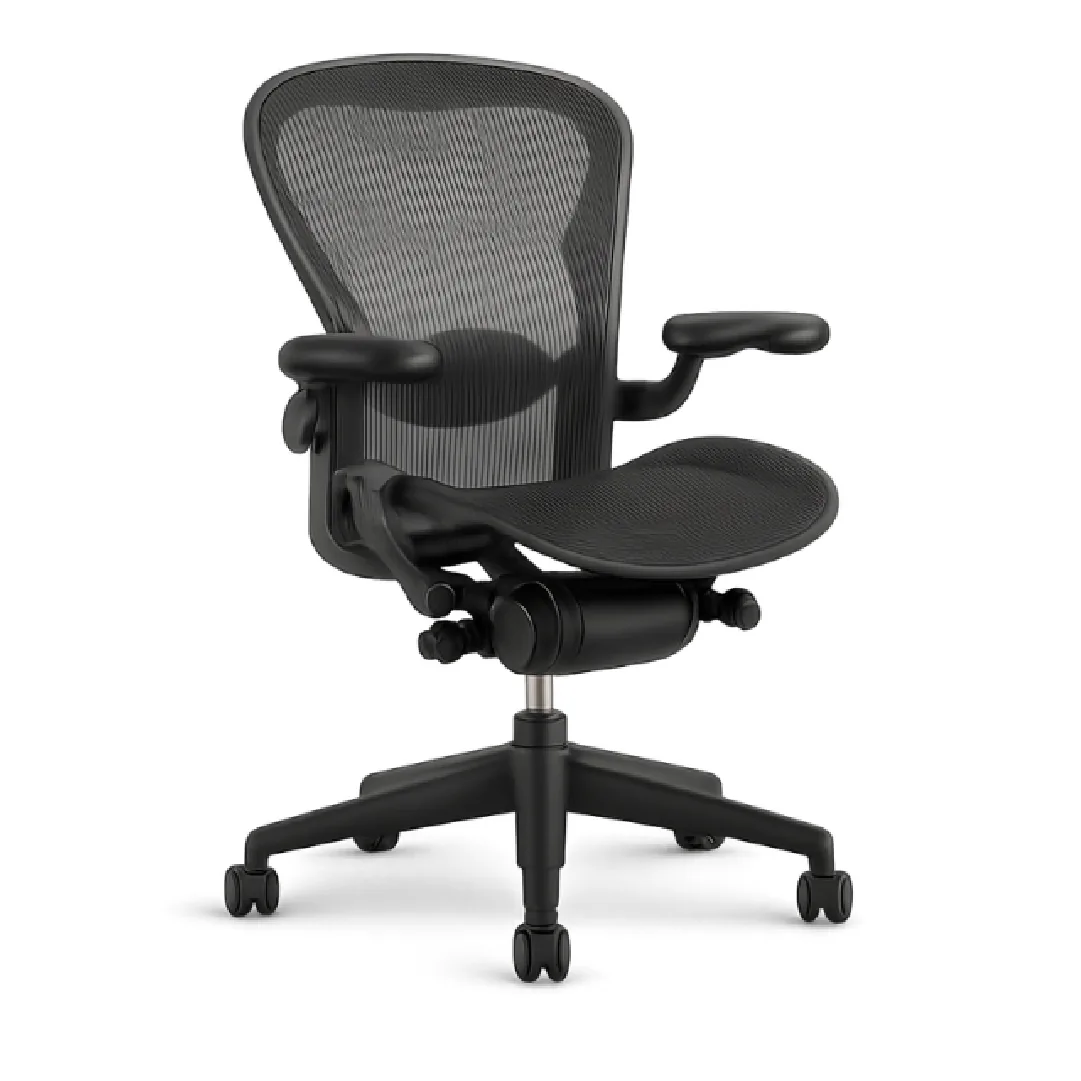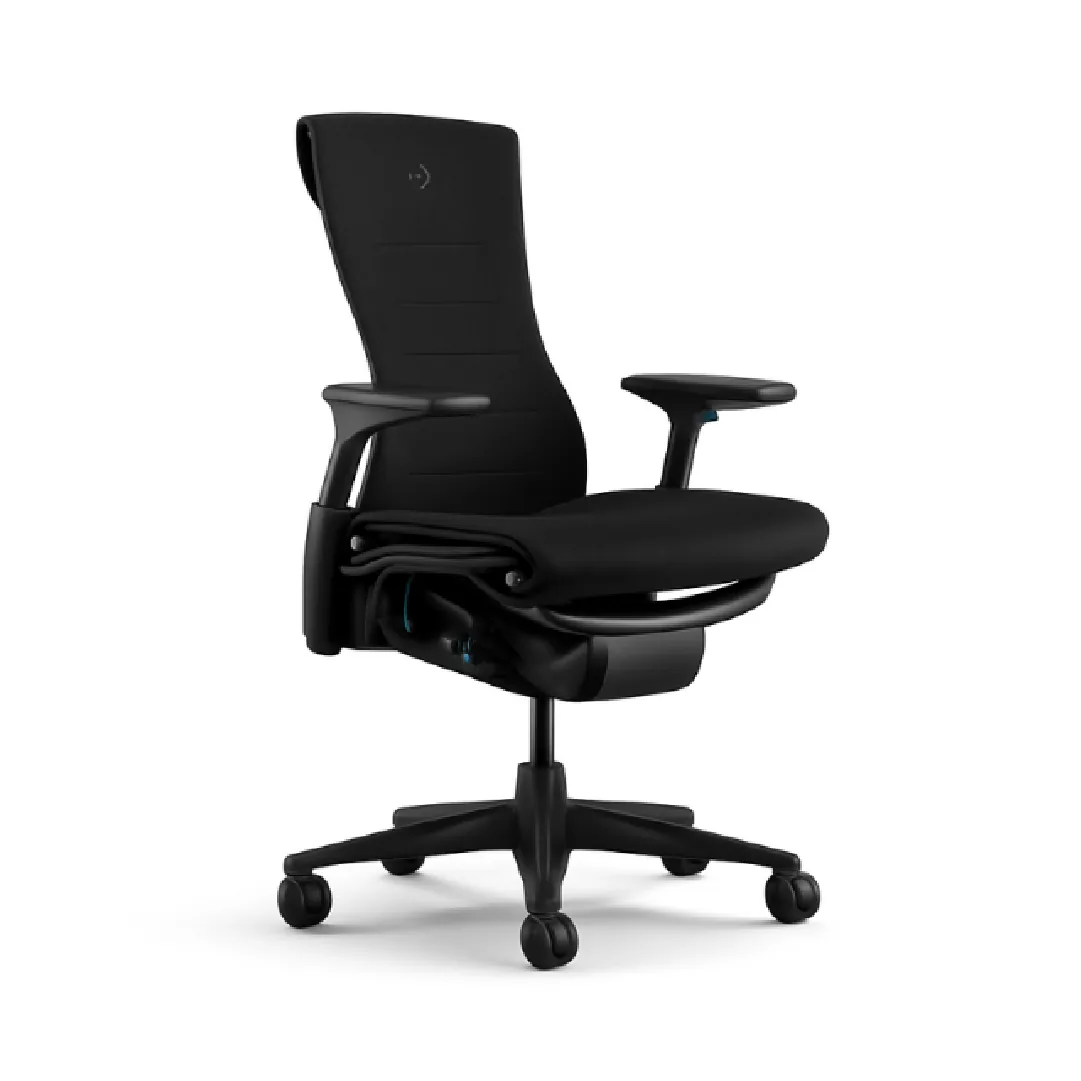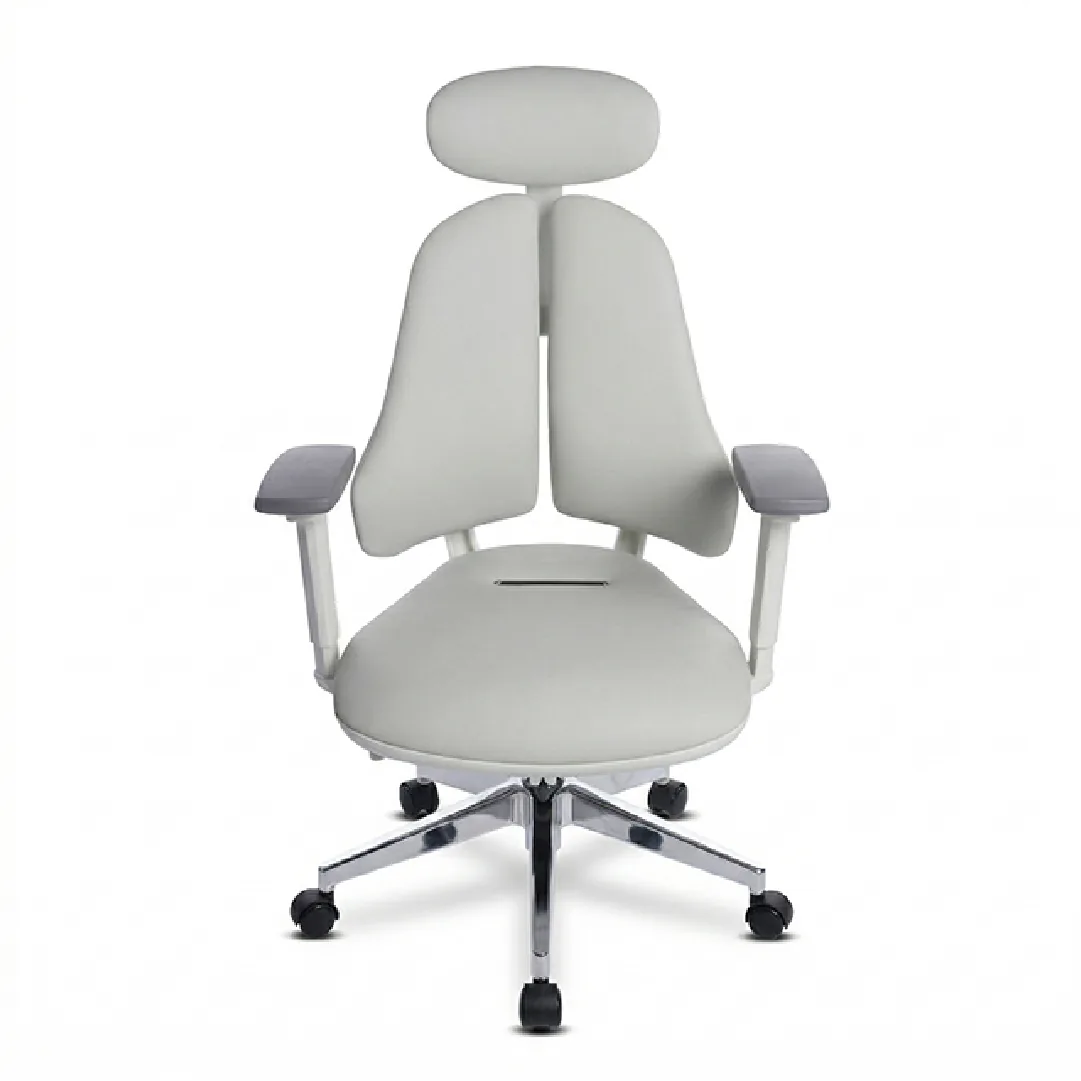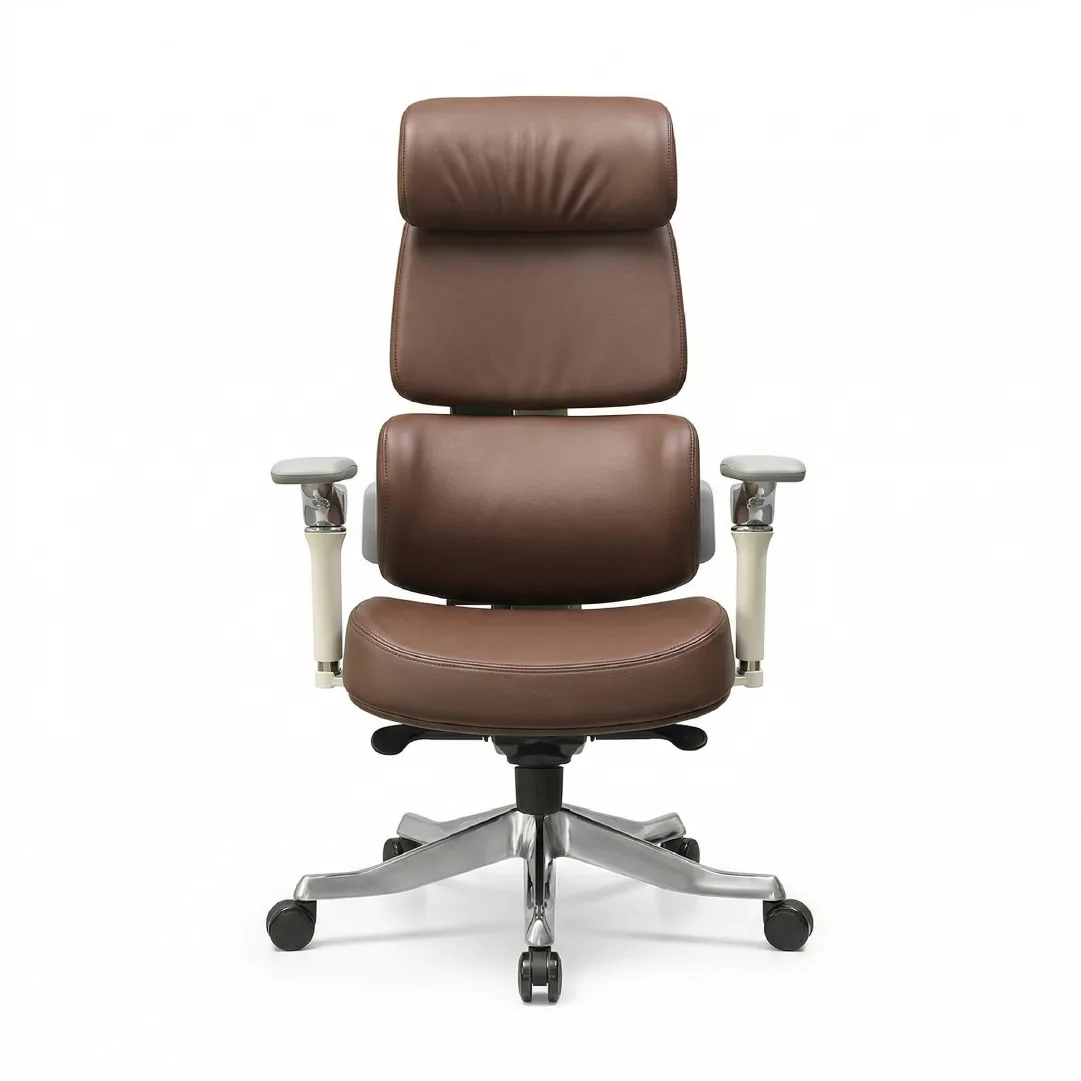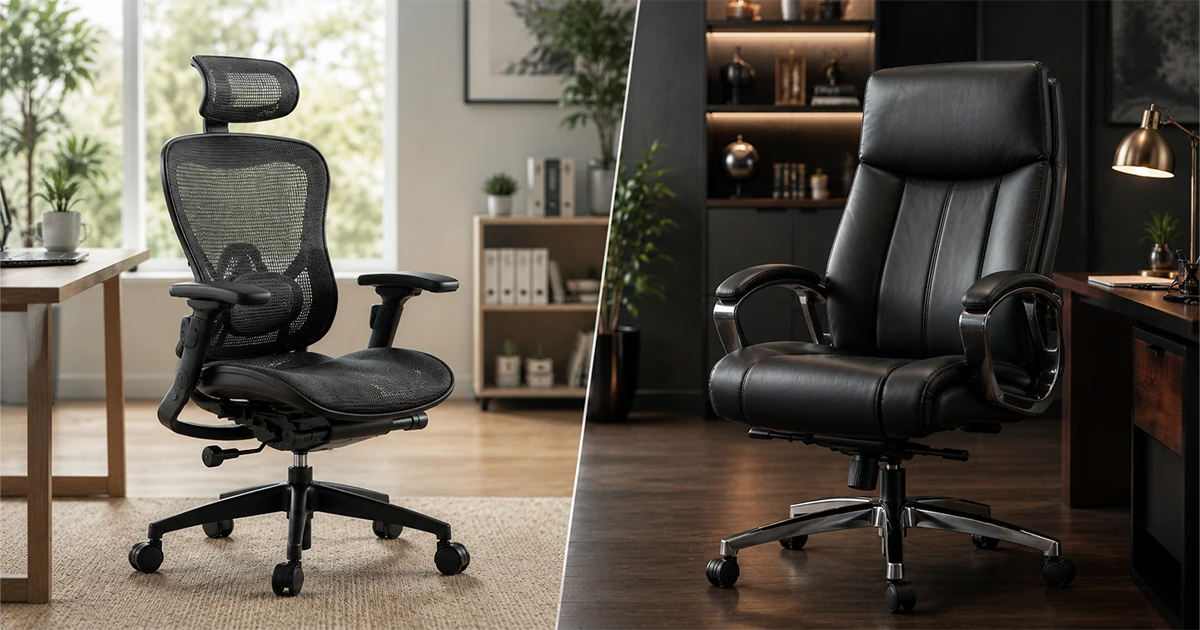
Quick answer: For daily task seating in Riyadh, mesh generally wins over leather because it breathes and resists heat build-up in air-conditioned offices, while leather and PU leather trap warmth and are more prone to cracking with humidity swings. Leather still makes sense for lower-use spaces like executive offices and boardrooms, where finish and formality matter more than hours of daily wear.
Key takeaways
- Mesh: better breathability, lower long-term upkeep, generally lower cost — best for task chairs used daily.
- Leather: more formal look, warmer to sit on, higher upkeep — best for executive offices and lower-use meeting seating.
- PU/bonded leather ages fastest and is the material most likely to need early replacement in a hot climate.
- The right answer depends on hours of daily use per chair, not personal preference alone.
The Comparison at a Glance
Factor | Mesh | Leather (genuine) | PU / Bonded Leather |
|---|---|---|---|
Breathability | High — air passes through the weave | Low — traps heat against skin | Low — traps heat, feels warm fast |
Best for | Daily task seating, long hours | Executive offices, low-use meeting seating | Budget executive look, short-term use |
Climate performance (Riyadh) | Strong — resists heat build-up | Moderate — warms up in direct sun/lighting | Weak — most prone to cracking, peeling |
Maintenance | Vacuum/wipe, low upkeep | Conditioning needed to prevent drying/cracking | Wipe only; cannot be reconditioned once it cracks |
Durability (daily use) | Long | Long, with care | Short |
Appearance/formality | Modern, functional | Formal, premium | Attempts formal look at lower cost |
Relative cost | Lower–mid | Higher | Lower |
Quick answer: For daily desk use in Riyadh, default to mesh. Save leather for low-use executive and boardroom seating where appearance matters more than hours of daily wear.
Why Riyadh’s Climate Tips the Scale Toward Mesh
Riyadh offices run air conditioning heavily for most of the year, but chairs also sit near windows, under direct lighting, and in rooms where AC output isn’t perfectly even across the floor. Materials that trap heat feel that inconsistency more than materials that don’t.
Mesh’s open weave lets air move through the backrest, so body heat doesn’t build up against the material the way it does with a solid leather or PU surface. Over a full workday, that is the main reason mesh is the more comfortable default for daily task seating in a hot climate, independent of ergonomic adjustability.
Where Leather Still Makes Sense
Leather isn’t the wrong choice — it’s only the wrong choice if it ends up on a hot-desking floor. In an executive office or boardroom, where a chair might be used for a couple of hours a day rather than eight, and where visual formality matters to how the space reads to clients or leadership, leather’s warmth and upkeep matter much less than its appearance.
Genuine leather also holds up better than most people expect if it’s conditioned periodically. The material that tends to fail early in the Gulf climate is PU or bonded leather, which has a thin surface layer that cracks once it dries out and can’t be reconditioned the way genuine leather can.
Maintenance — What Each Material Actually Requires
- Mesh — vacuum or wipe down periodically; no conditioning required. The main wear point over time is the weave stretching under heavy daily use, not heat damage.
- Genuine leather — needs periodic conditioning to prevent the surface from drying and cracking, particularly in a climate with strong AC-to-exterior humidity swings.
- PU/bonded leather — can only be wiped, not conditioned or repaired once the surface layer starts to crack or peel. Once it starts, it’s a cosmetic decline that usually ends in replacement rather than repair.
For offices weighing long-term cost, mesh’s low-maintenance profile is often the deciding factor once decision-makers account for the conditioning routine leather needs to stay in good shape.
Making the Call for Your Office
A practical way to decide: count how many hours a day the average chair in that space will be used. Above roughly four to five hours daily, mesh’s breathability and low maintenance outweigh leather’s appearance advantage. Below that — private offices, boardrooms, reception seating — leather’s finish becomes the stronger argument.
Mixed-material offices are common and reasonable: mesh task chairs across the open floor, leather or upholstered seating in leadership offices and meeting rooms.
Conclusion
Mesh and leather aren’t competing for the same job — they’re suited to different hours of use and different rooms. Default to mesh for daily task seating in Riyadh’s climate, reserve leather for lower-use, appearance-focused spaces, and the material decision stops being a matter of preference and becomes a matter of fit.
Why Seatspace Not sure which mix of materials fits your floor? A local specialist can help. Seatspace is a Riyadh-based office-seating specialist — local stock and hands-on support, nationwide delivery through our shipping partner Aramex, secure online checkout via PayTabs, and warranties ranging from 1 to 5 years depending on the chair. |
Deciding on materials for an office-wide order? Reach out to Seatspace for a project quote and a mixed-material proposal matched to your spaces.
About the author SeatSPACE is an office-seating specialist based in Riyadh, Saudi Arabia, supplying and advising on ergonomic chairs for workplaces across the Kingdom. This guide was written and reviewed by the SeatSPACE team. |